Hospitality has long been shaped by efficiency. Speed, availability, and constant stimulation are often presented as comfort. Experiences are designed to be seamless, full, and immediate. Yet over time, this pace has begun to feel less generous. What many now seek from hospitality is not more activity, but more space.
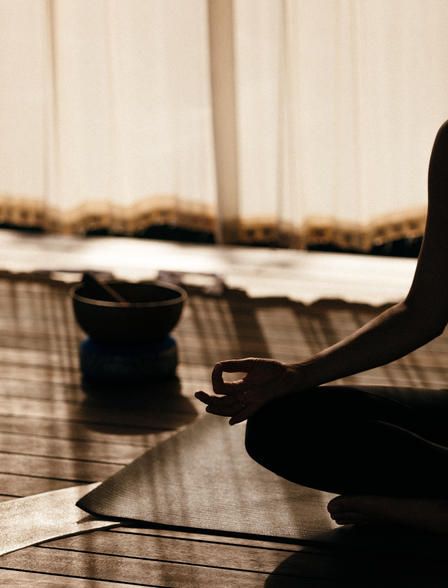

Slow living shifts the focus from doing to being. It invites guests to arrive without urgency and to settle into a rhythm that feels intuitive rather than imposed. Time is not scheduled on their behalf. It is left open. Days unfold according to mood, weather, and energy. Presence becomes the true luxury, created not through attention, but through freedom.
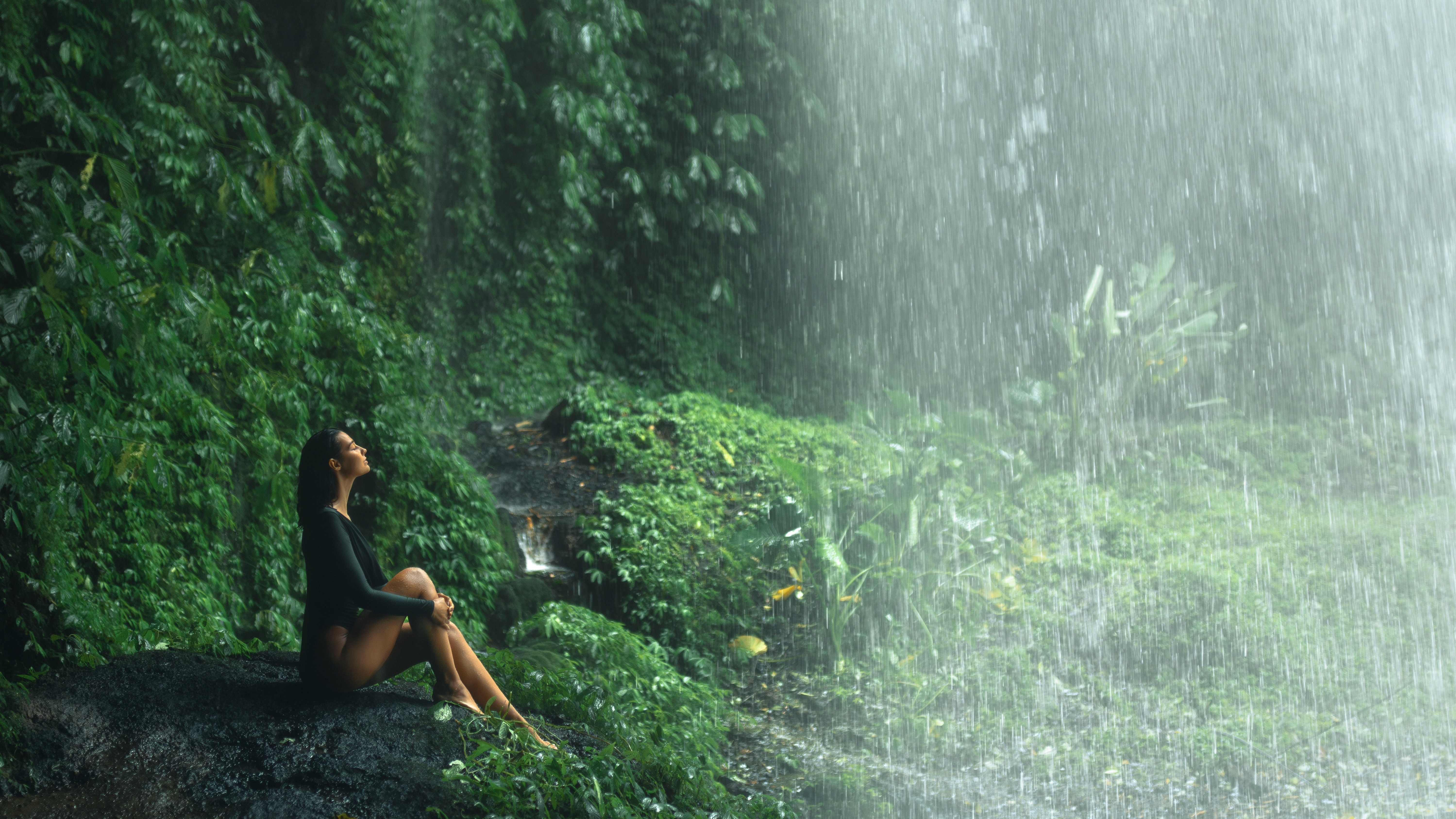
In places shaped by nature and climate, slowness is a natural response. Light dictates the day. Heat encourages pause. Evenings arrive without announcement. Hospitality becomes attentive without intrusion, supportive without performance. Comfort comes from simplicity, clarity, and the absence of pressure to participate.
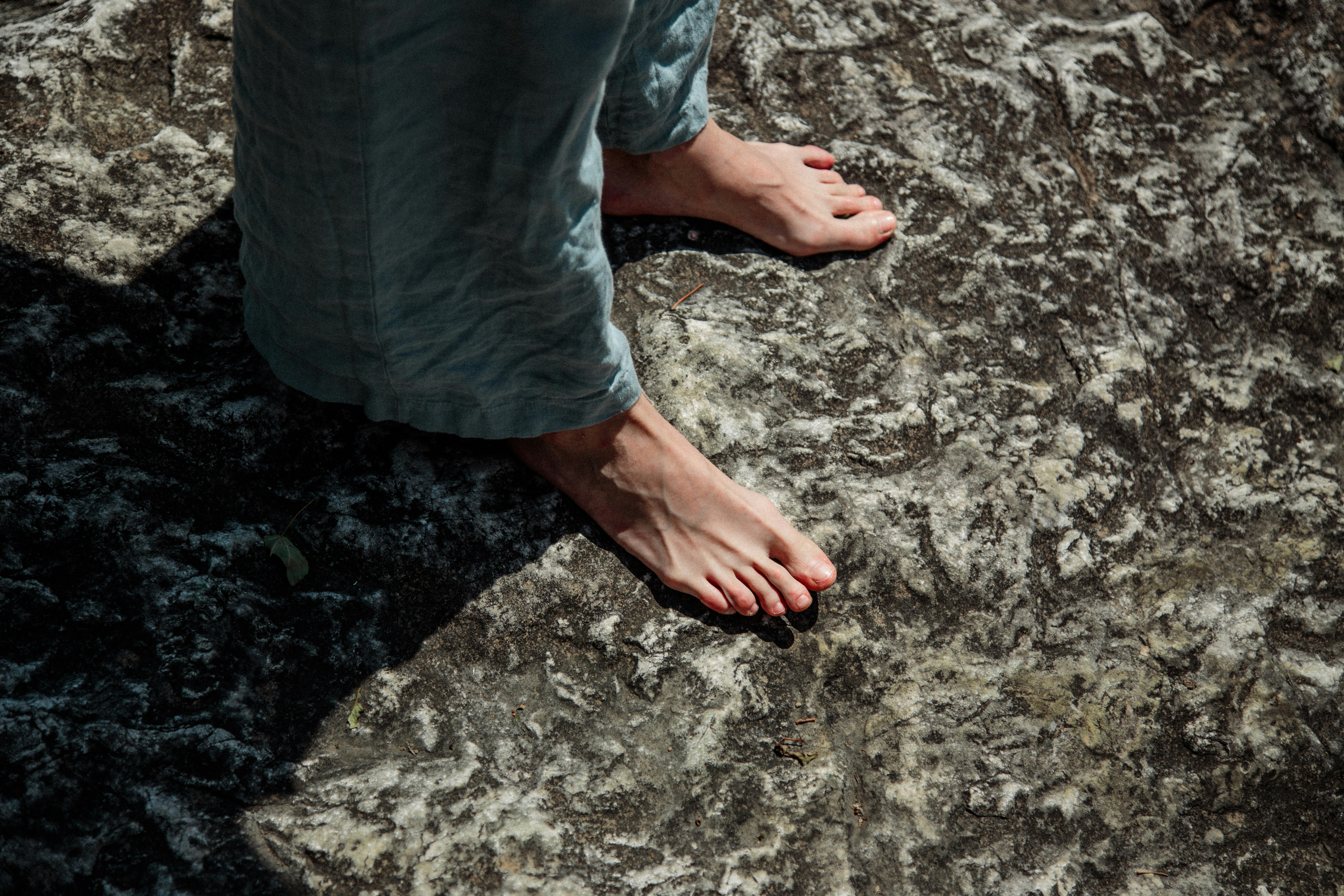
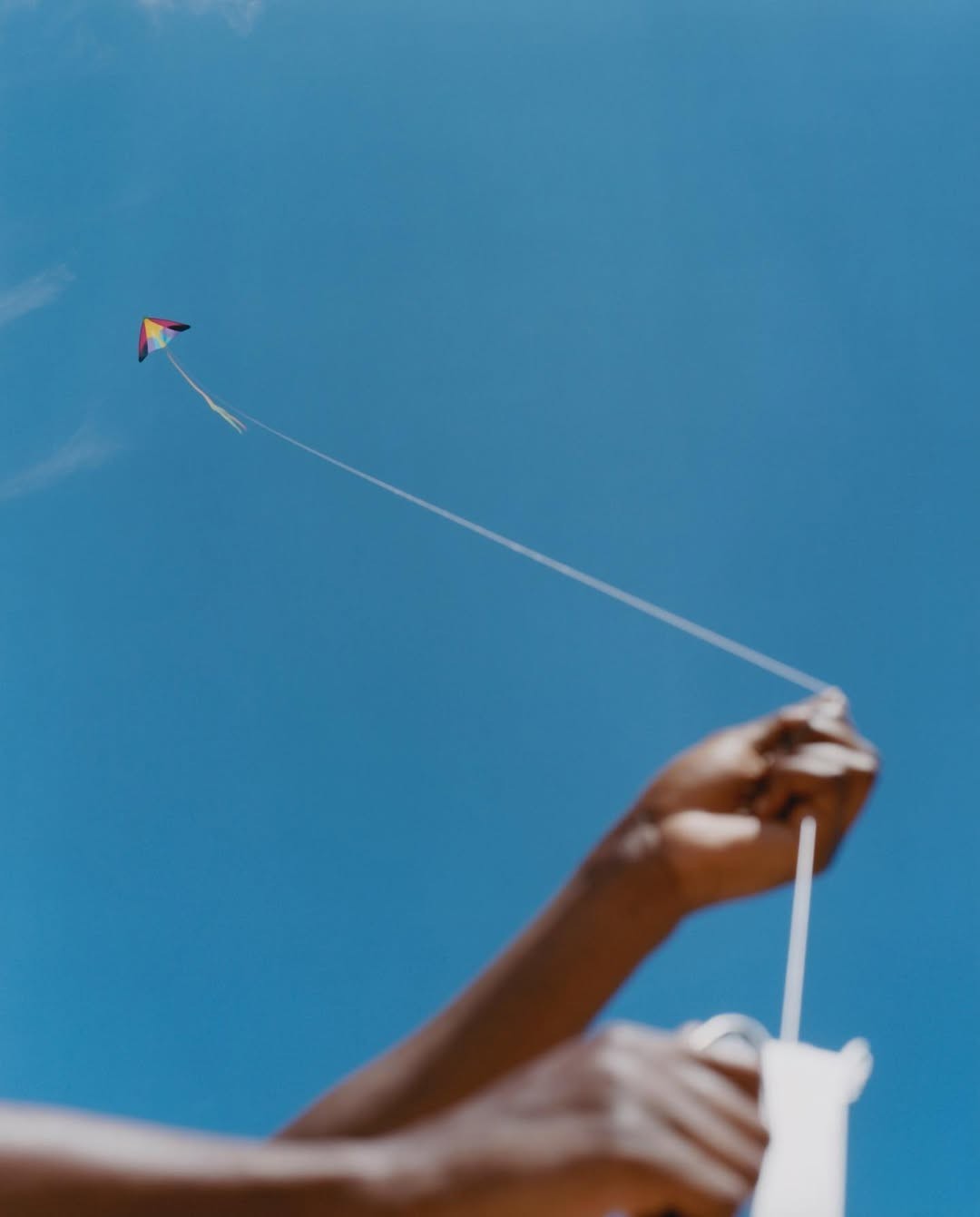

As a new standard, slow living reframes what hospitality can be. Luxury is found in balance rather than abundance, in care rather than display. Spaces are designed to restore rather than impress. Hospitality becomes less about hosting and more about allowing people to reconnect with themselves, with time, and with place.