Someone you know has just returned from Bali.
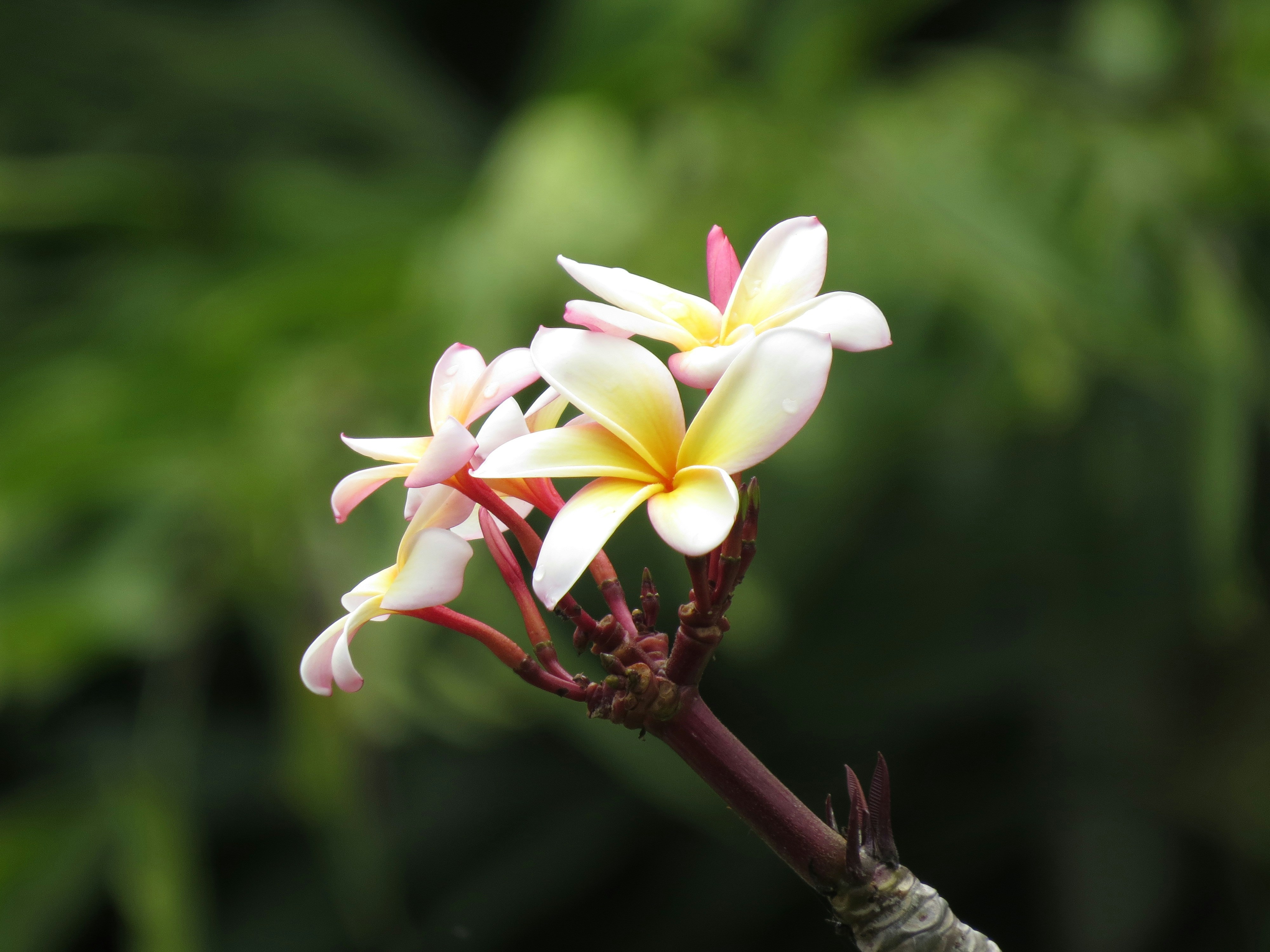
They bring you a small gift, perhaps incense, a ceramic, or a bar of soap. Different objects, yet all share the same recurring motif: the frangipani flower, locally known as jepun (or bunga jepun).
Bali is often described through its lush jungles, layered traditions, and tropical abundance. Yet it is the frangipani, quiet, delicate, and ever-present, that lingers. Its scent is minimal, almost restrained, while its presence feels grounding. Soft whites, peach, and blush tones break the monotony of green, offering a visual pause and a moment of calm.

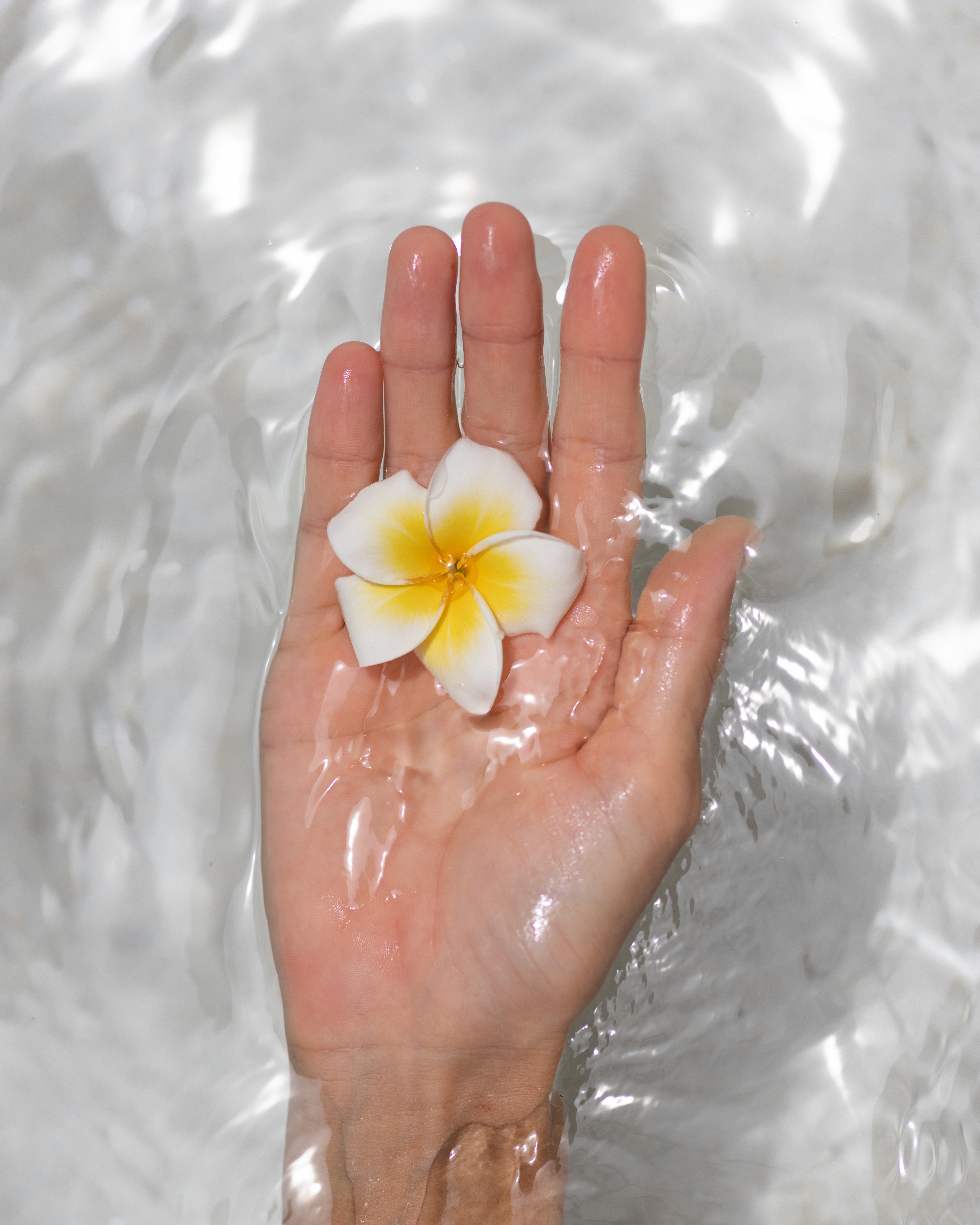
When a frangipani flower falls onto water - a pool, a river, a still pond - it drifts effortlessly, its petals slowly opening as it floats. There is something soothing in this moment, a natural elegance that feels unforced and timeless.
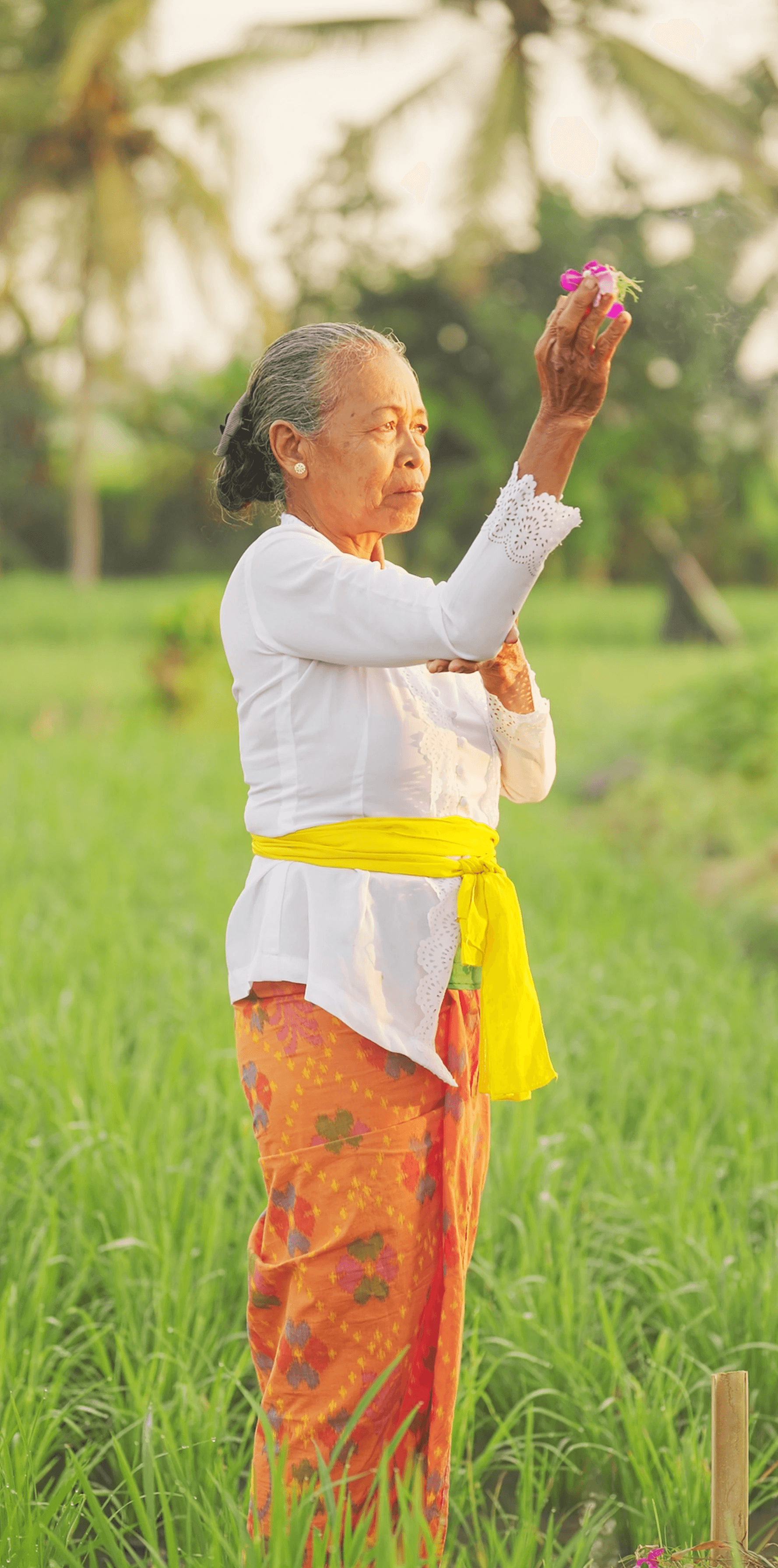
Across the island, frangipani trees shape the everyday landscape. They line walkways, frame courtyards, and appear in temples, homes, and hotels alike. The flowers are often worn in the hair - placed with care - becoming part of daily ritual and personal expression rather than decoration alone.
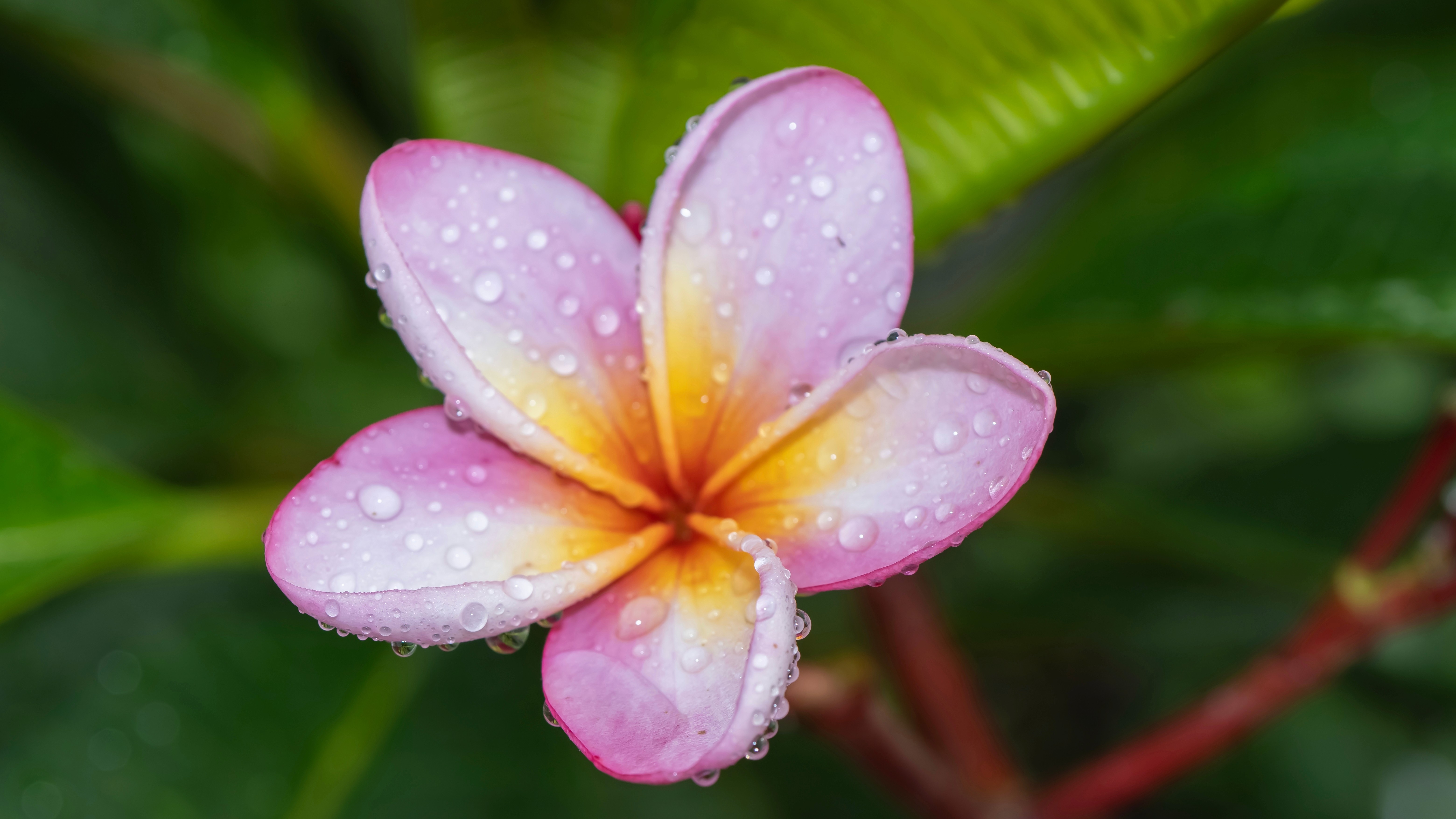
Frangipani also appears in canang sari - small, handwoven arrangements made from young coconut leaves and filled with flowers, incense, and rice. Created daily, these offerings reflect balance, intention, and attentiveness, existing briefly before returning to nature.
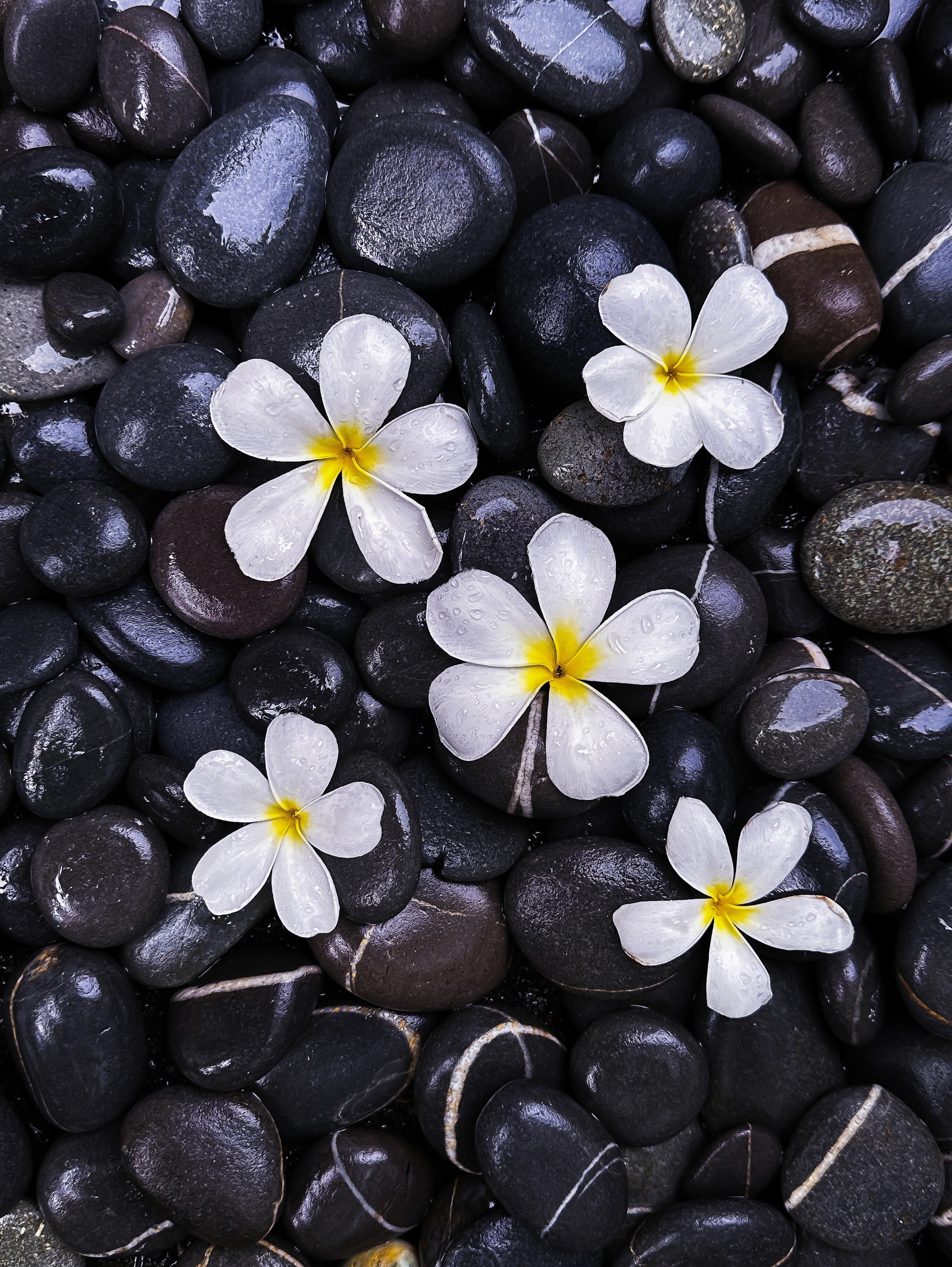
Beyond its beauty, the frangipani carries layered meaning. Its five petals are often associated with the fundamental elements of the natural world - earth, water, fire, air, and ether - a quiet reminder of life’s deep connection to its surroundings.

Perhaps most compelling is the frangipani’s resilience. Even after being uprooted, the tree is known to bloom again. This enduring quality has made it a marker of renewal - of continuity, adaptation, and the ability to thrive through change.
In Bali, the frangipani is more than a flower.
It is a presence. A pause. A signature.